ChatGPT Ads Now Rewrites, Translates and Redirects Your Ads by Default: How Arab Advertisers Switch It Off
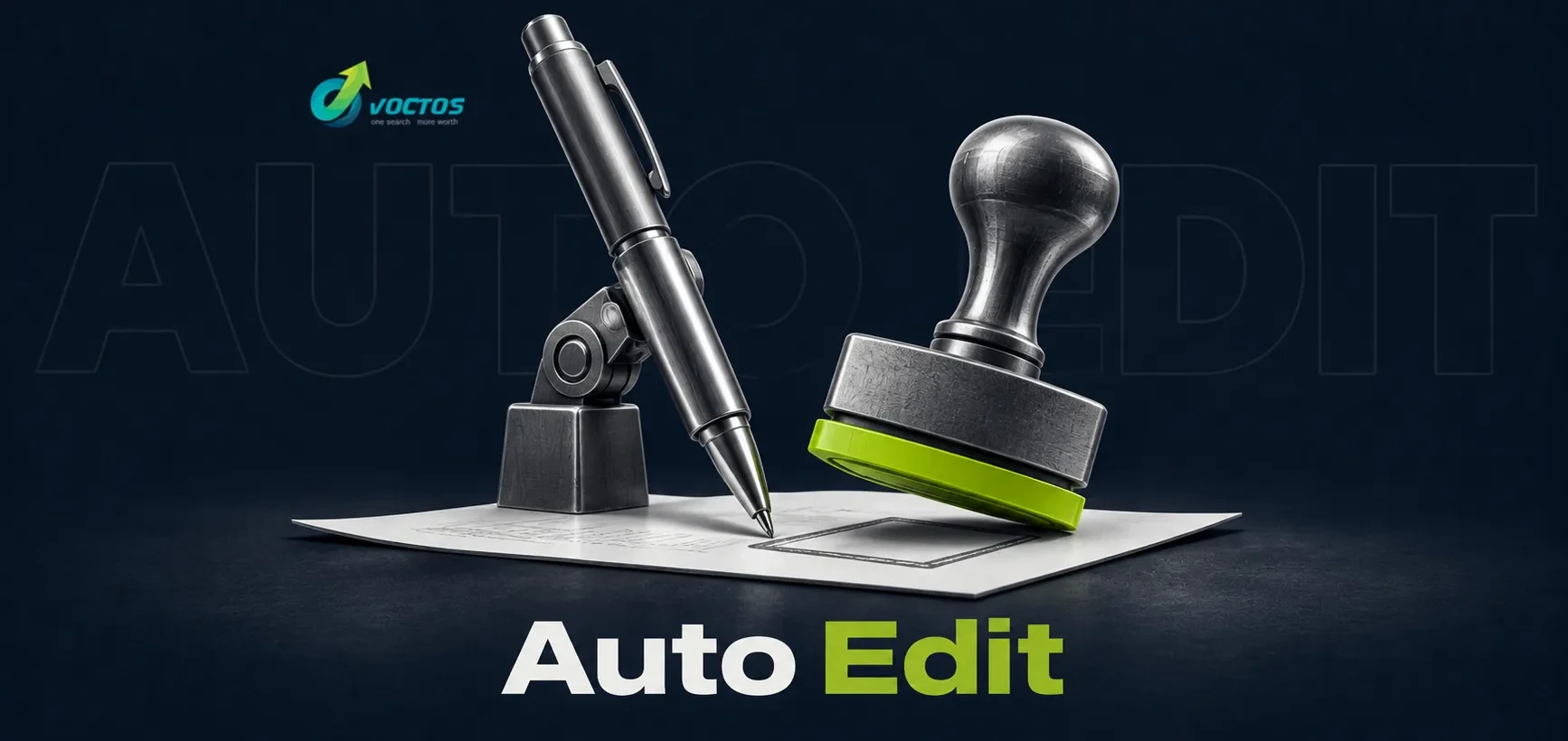
ChatGPT Ads now edits your ads by default, starting 30 October 2026. OpenAI turned on “creative enhancements” for new and existing campaigns, and the system can rewrite headlines, translate your copy and change the page a click lands on.
That is a bigger change for Arabic advertisers than for most. A clinic, lab or pharmacy ad that passed your legal review in Arabic can now reach a user in another language, or land on a different page, without you approving that version. OpenAI says opting out takes one setting, but you have to find it.
What does ChatGPT Ads change in your ads by default?
According to Search Engine Journal’s report on OpenAI’s help page (30 October 2026), the system can do four things without a per-version review: rewrite or newly write headlines and descriptions, translate ad text into the user’s preferred language, resize images to fit the format, and swap the destination URL for a more relevant page on your site. Variations are built from the conversation topic, the ad and your landing page, and may be made ahead of time or during a conversation.
| What can change | Why it matters in Arabic |
|---|---|
| Headline and description | Medical, financial and price claims can be reworded after your legal check |
| Translation of ad text | Your Arabic copy can be shown in another language, and other-language copy can be shown in Arabic |
| Image resizing | Low risk, but check cropping on faces and on Arabic text inside images |
| Destination URL | The click can land on a page you did not choose, with or without your tracking tags |
We have not tested any of this in an Ads Manager account. Everything above comes from the published reports and OpenAI’s help page, and we say so because the setting is new and reports of what it does in practice are still thin.
Which Arab countries does this reach?
Any advertiser running in the 13 Arab countries on OpenAI’s own availability list when we read it on 25 October 2026: Algeria, Bahrain, Egypt, Iraq, Jordan, Kuwait, Lebanon, Morocco, Oman, Qatar, Saudi Arabia, Tunisia and the UAE. The setting applies to all new and existing campaigns, and the reports we read give no country or language exception. Our guide to ChatGPT Ads for Arab advertisers covers availability and buying routes, so this article stays on the new default.
How do you switch it off?
Open Ads Manager and go to “Manage settings”. The setting sits at account level (the default) and at campaign level, and the campaign setting wins. An opt-out you saved earlier at either level stays in place, according to the report. OpenAI’s help page describes one switch only, so you cannot keep image resizing and block translation at the same time. If you need Arabic copy to stay exactly as approved, turn the whole setting off for those campaigns.
Switching it off at campaign level for regulated Arabic campaigns is the safe default until you have seen what the system does to your copy.
What should you check before your next Arabic campaign?
Run through this list for every live ChatGPT Ads campaign. It takes about 15 minutes per account.
- The setting. Is creative enhancement on or off at account level, and does any campaign override it?
- Regulated claims. If the ad mentions treatment, medicine, prices or investment returns, switch the setting off and re-read our summary of medicine advertising rules across Arab markets.
- Tracking. OpenAI’s guides say to add UTM tags to each destination URL. The help page does not say whether those tags carry over when the destination is changed, so open a few real clicks and confirm the tags survive. Our ChatGPT Ads conversion tracking guide shows the GA4 side.
- Landing pages. Every page on your site must be fit for paid traffic in Arabic, because the system may choose one you would not.
- Reporting. There is no per-version report, so you cannot see which rewritten version a click came from. Treat any copy test as unreliable while the setting is on.
My read on this
We would keep it off for medical, legal and financial advertisers, and test it on a low-risk retail campaign with a fixed budget and a separate UTM value. The upside is real: translation could put an Arabic offer in front of Arabic-speaking users who ask in another language. The cost is that you lose the audit trail a regulated advertiser needs. Without a version report, you cannot show a regulator what a user actually saw.
Frequently asked questions
“My account never used translation, so am I safe?”
Not by default. Call this the silent default: the setting was switched on for existing campaigns on 30 October, so it applies unless you had already opted out. Check the setting, not your memory.
“Can I approve the rewritten versions first?”
The reports say no. Ads Manager shows no preview for each version, and the enhanced ads can run without your approval of each one.
“Does this also apply to multi-image ads?”
We do not know. Multi-image ads entered open beta on 26 October 2026, and the report we read does not say whether enhancements apply to them.
“Is the Arabic result any good?”
We have no test of the Arabic output yet, so we will not guess. We plan to compare the original and enhanced copy once we have access to a live account.
The better question
The useful question is not whether automatic edits help performance. It is whether you can prove what each user saw. If you advertise ordinary retail products and can accept some loss of control, test the setting on one campaign for two weeks. If you advertise health, finance or anything a regulator reviews, turn it off first and ask OpenAI for version-level reporting before you turn it on.
If you want us to review your Arabic ChatGPT Ads setup, send me the ten queries that matter and we will check where your brand and your ads appear.
Sources and limits: Search Engine Journal, “ChatGPT Ads Turns On Automatic Ad Changes By Default”, 30 October 2026, citing OpenAI’s help page on creative enhancements; Search Engine Roundtable, 30 October 2026, on OpenAI’s advertiser email. We did not test the setting in an Ads Manager account and did not verify its behaviour on Arabic copy.
Everything else we have run on Paid Media
Written by whoever ran the work, not a content team
21 articles